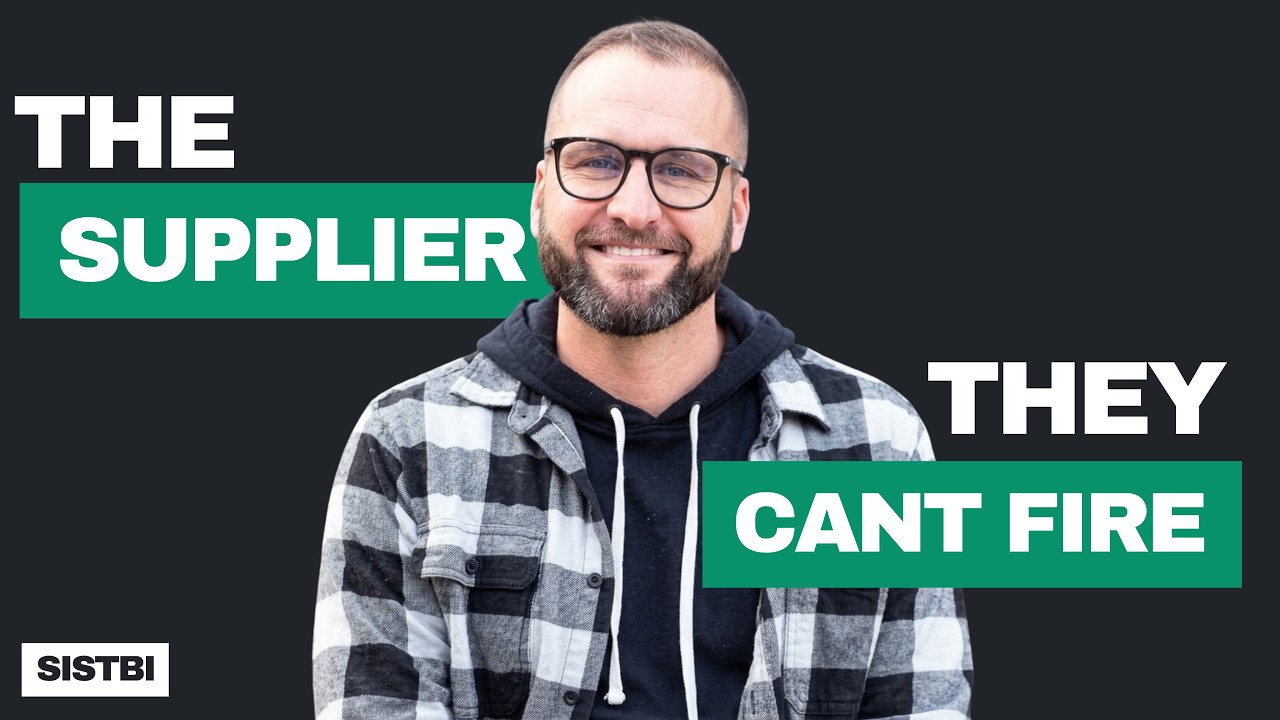
Say It So They Buy ItEpisode 11
The 5-Minute Rule Behind a $29M Company
Gui Costin, Founder and CEO of Dakota, shares why his $29M company answers every demo request in 5 minutes and why kindness, not niceness, keeps top talent.
About this episode
One Dakota employee lost his job over a demo request answered 25 hours late. Gui Costin, Founder and CEO of Dakota, runs what he calls a five minute company, and he means it literally.
Gui has been raising capital for investment firms since 1997. After founding Dakota in 2006 and helping managers raise roughly $30 billion, he turned the firm’s internal Salesforce database into Dakota Marketplace. Today Dakota is a $29 million business with 75 people, and 1,500 investment firms rely on its data every day to find and reach institutional investors.
In this episode, Mark Gordon and Gui dig into a question every growing company runs into: how do you build a high performing team that moves fast without burning people out? Gui brings nearly three decades of fundraising and sales leadership, a content engine that produces eight shows and about 25 blogs a week, and a leadership philosophy built on one idea: be kind, not nice. Mark brings the outside view, walking Gui through the IGTMS go-to-market assessment, where Dakota scored higher than 94% of the 800+ companies reviewed, and pinpointing the gaps that still matter as buyers turn to AI for recommendations.
If your follow-up takes days instead of minutes, this one is for you.
Thank you to Gui Costin for joining us.
Also in the conversation
- Why speed to lead is “the easiest win in the world” and how Dakota guarantees a human reply within five minutes.
- Why “nice is evil” and how kind, candid feedback keeps your best people for the long haul.
- The Drano test: how quickly and cleanly does your organization make decisions?
- How third party reviews and answer format content decide whether AI recommends your company.
- Why Gui would rather support intrinsically motivated people than motivate them every day.
In their words
“That was twenty five hours ago. 25 hours ago. We're five minutes, we're a five minute company.”
Gui Costin · 23:03
“This is the easiest win in the world is to get an inbound demo request and then reach out five minutes later to say, Hey, when do you want to book a time?”
Gui Costin · 23:03
“I don't want to be a motivator. I want them to want it more than me. I just want to be able to support them to be the best versions themselves.”
Gui Costin · 6:01
“People pay us a lot of money for sales and marketing consulting. I can't tell you how many times the big revelation is you gotta call the people that want your stuff.”
Mark Gordon · 24:02
Chapters
Listen here
Questions this episode answers
What is Dakota and how big is it?
Dakota is a global investor database that started as Gui Costin's own Salesforce database from his fundraising firm and was commercialized in 2018. Today it has about 75 employees, $29 million in revenue, roughly 1,500 investment firm subscribers and about 7,000 individual users.
What is the five-minute rule at Dakota?
Every inbound request, like a demo request, gets a human response within five minutes. Gui reads every inbound email, and one employee lost his job for replying 25 hours after a request came in.
Why does Dakota use humans instead of automated follow-up?
Gui says they deliberately skipped automation on inbound because they want a real person reaching out immediately. He admits they are weak on the automated side, but the trade-off is a five-minute physical response time.
What is the difference between being kind and being nice as a leader?
Gui says nice means excusing bad behavior and avoiding thorny issues to not ruffle feathers. Kind means saying the hard thing with compassion so the person and the company get to the best answer. He also pushed back on the term radical candor because he thinks it implies you can say anything any way you want.
Where did Dakota's go-to-market assessment score poorly?
Dakota scored higher than 94 percent of the 800-plus companies assessed, but the main gap was a lack of third-party reviews, which AI search tools use as validation signals. Other opportunities were positioning consistency, published objection handling and FAQ content, and a deeper analytics and marketing automation stack.
How does Dakota approach marketing and lead generation?
Dakota runs a 35-person sales team in downtown Philly with 7:45 a.m. daily check-ins, plus a five-person in-house studio producing eight shows and about 25 blogs a week. They are also heavy believers in polite, respectful cold outreach rather than waiting on referrals.
Keep listening
More episodes

Four Exits, $92M, and a New Bet on Global AI Talent
October 28, 2026
Building Today’s Team for Tomorrow’s $100M
October 21, 2026